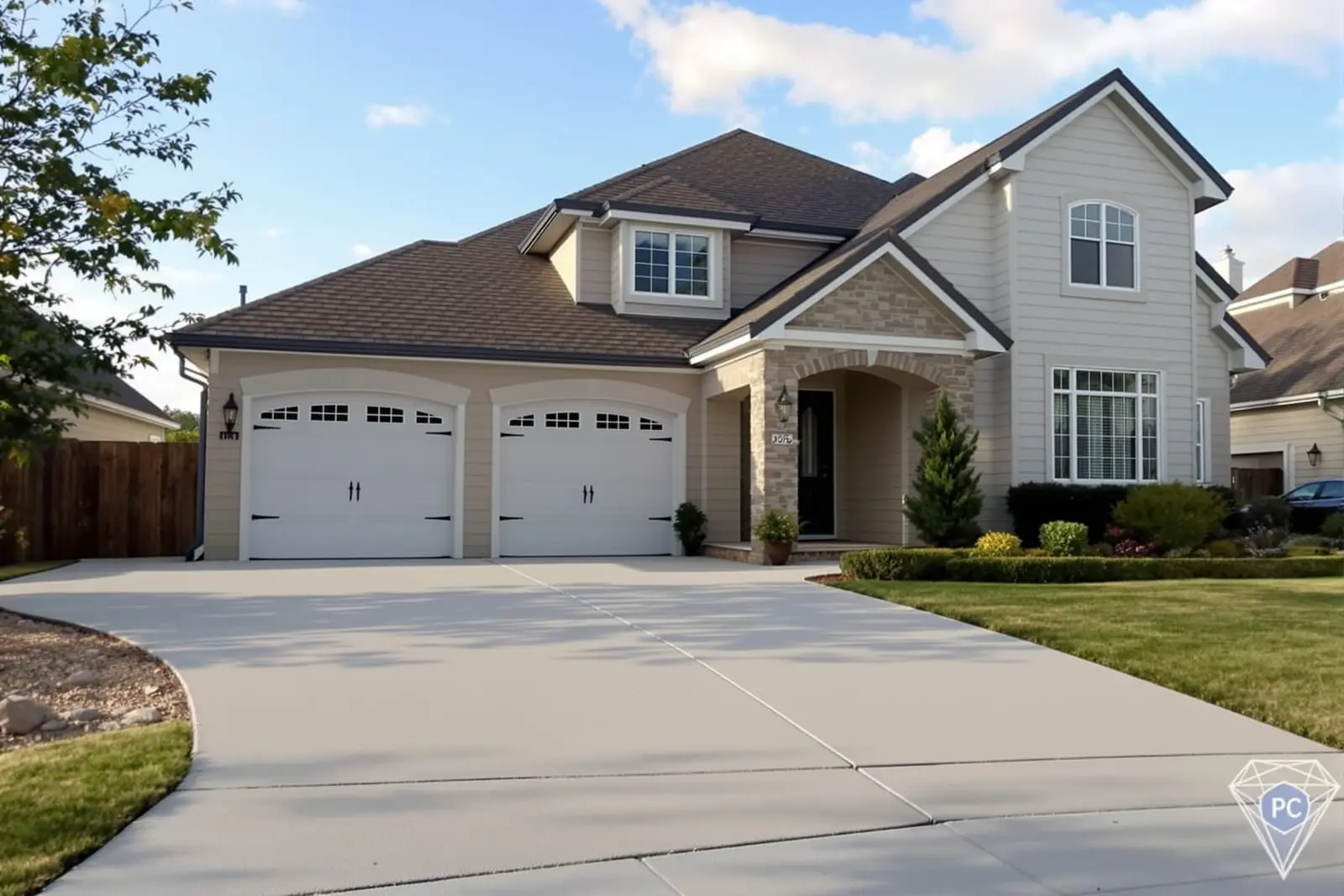
Extend the life of your surfaces with expert concrete repair in Grand Rapids, MI. We tackle cracks, spalling, pitting, and surface wear with patching, joint sealing, and resurfacing solutions. Our team evaluates the condition of your concrete and applies the right repair method to restore strength and appearance.
Primetime Concrete Grand Rapids provides professional concrete repair throughout Grand Rapids, MI and the surrounding area. Our licensed, insured crew delivers safe, clean, on-time work with a free estimate before anything begins. Call (231) 888-1647 or request your free quote.
Concrete repair that fits Grand Rapids homes and weather
Concrete in Grand Rapids takes a beating. Freeze-thaw cycles, road salt, and heavy snow loads can turn a solid driveway or patio into a cracked, pitted surface faster than most homeowners expect. At Primetime Concrete Grand Rapids, we focus on practical, long-lasting concrete repair solutions that match our local climate and soil conditions, not one-size-fits-all fixes.
When we visit your property, we start with a detailed inspection, not just of the visible cracks, but of drainage patterns, nearby trees, downspouts, and how the slab was originally poured. Many problems in this area are caused by poor base preparation, trapped moisture, or heaving clay soils under the slab. Understanding why the concrete failed helps us choose the right repair method so the same issues do not come back in a year or two.
We will talk through whether spot repair, structural crack stitching, joint sealing, leveling, or full resurfacing makes the most sense for your driveway, sidewalk, porch, or garage floor. Our goal is to save what can reasonably be saved, protect it from further damage, and be honest when replacement is the better financial choice. Every recommendation is explained in plain language so you know exactly what you are paying for and why.
Our concrete repair process, step by step
Quality concrete repair is part science, part craftsmanship. Primetime Concrete Grand Rapids follows a structured process tailored to each surface, but there are clear steps you can expect.
First, we clean and open up the damaged areas. That usually means pressure washing, mechanical grinding, and routing out cracks to remove weak or loose material. For garage floors and basement slabs, we also degrease to remove oil and contaminants so new material can bond properly. Skipping this preparation is why many DIY repairs in our area start flaking off after one winter.
Next, we stabilize the slab if needed. If sections have settled or tilted, we may recommend slab lifting (concrete leveling). Depending on the situation, this can involve pumping specialized grout under the slab to bring low spots back to grade. Leveling first prevents new overlay or patch materials from cracking again because of movement.
For cracks that threaten the structure of the slab, we often use crack stitching. This includes cutting slots across the crack, installing steel bars or carbon fiber staples, and filling with high strength repair mortar or epoxy. Smaller non-structural cracks are cleaned, filled with flexible or semi-rigid fillers, then tooled smooth to reduce water intrusion.
Finally, we profile the surface and apply repair mortars or resurfacing products that are compatible with the existing concrete. Edges are blended in so the repair does not create trip hazards. Joints are re-cut or re-formed as needed so the slab can move naturally with temperature changes without breaking the repair work.
Concrete resurfacing options to renew worn surfaces
When the underlying slab is sound but the surface is ugly, pitted, or lightly cracked, concrete resurfacing can change the look and performance without full replacement. Primetime Concrete Grand Rapids offers several resurfacing approaches to match how you use the space and how much traffic it receives.
A common choice for old driveways and sidewalks is a polymer modified overlay spread in a thin layer over properly prepared concrete. These mixes bond tightly, handle vehicle traffic, and can be broom finished for traction during our icy Michigan winters. On patios and pool decks, we can introduce texture patterns or subtle color to reduce glare and create a more finished outdoor living space.
Interior slabs, such as basements or warehouse floors, may benefit from self-leveling underlayment or smoothing overlays that create a flatter, denser surface for coatings or finished flooring. In garages, we often resurface and then add a protective sealer to help resist road salt, hot tires, and chemical spills.
We discuss sheen, texture, and color options before work begins. Some Grand Rapids homeowners prefer a simple gray broom finish, while others like a lightly stained or troweled look that hides minor imperfections. Whatever option you choose, we match the material to the expected traffic, from daily vehicle loads to light foot traffic only, so the resurfaced concrete holds up for years.
Common concrete problems in Grand Rapids and how we fix them
Local conditions in Grand Rapids create some predictable concrete issues, and knowing the cause leads to smarter repair choices.
Freeze-thaw cracking is very common here. Water seeps into tiny pores and cracks, then expands when temperatures drop. We respond by cleaning and filling those cracks with materials that can flex a bit with movement, then sealing the surface to limit water entry. On heavily spalled or pitted driveways, we often recommend resurfacing combined with a high quality sealer to protect against deicing salts.
Settling and sunken sections often show up along driveways near the street, front walks, and around stoops. This is usually linked to soil erosion, poor compaction when the home was built, or downspout discharge near slabs. We address underlying drainage first, then lift and support the slab so it does not keep sinking. After leveling, joints and cracks are repaired to keep water from washing out soil again.
Scaling and flaking are frequently seen on older concrete that has been repeatedly exposed to road salt tracked in by vehicles. Thin, weak surface layers break off, leaving a rough, patchy appearance. Our approach may include mechanical grinding to remove the weak layer, spot patching deeper areas, then applying a resurfacer designed to tolerate freeze-thaw cycles and salt. We also educate homeowners on better deicer choices, like using calcium magnesium acetate or sand where possible, so the repair stays intact.
In all cases, we balance cost, appearance, and lifespan. We tell you when a conservative repair is sensible and when your money is better spent planning a future replacement, especially on very old or poorly installed concrete.
What affects concrete repair cost and timeline
Concrete repair and resurfacing costs in Grand Rapids can vary widely, and understanding the drivers helps you budget realistically. Primetime Concrete Grand Rapids provides itemized proposals so you see how each factor influences price.
Size and accessibility are major cost drivers. Small but hard to reach areas, such as narrow side yards or tight alleys, can actually take more labor per square foot than open driveways. Depth of damage matters too. Hairline cracks and light surface wear might only need filling and a thin overlay, while deep spalling, missing chunks, or significant settling often require more materials and additional steps.
Existing structural issues can add to the timeline. If we find that a stoop is pulling away from the house, or a slab has no proper base under it, we may recommend stabilization or partial rebuild. It costs more upfront, but it prevents repeated repair bills later. Soil moisture, active drainage problems, and tree root intrusion also influence the final plan.
Timing affects both quality and cost. The best months for outdoor concrete repair and resurfacing in Grand Rapids are typically late April through October, when nighttime temperatures consistently stay above freezing and surfaces can cure properly. We can sometimes work in cooler shoulder seasons using special mixes and curing methods, but that may require more planning and protection.
We do not charge for quick site visits and estimates. During that visit, we will outline at least one cost-conscious option and, if appropriate, a more premium option with added lifespan or visual upgrades. That way you can choose based on your budget, how long you plan to stay in the home, and how you use the space daily.
How to prepare for your concrete repair project
A little preparation makes your concrete repair or resurfacing project smoother and helps us deliver the best possible result. Primetime Concrete Grand Rapids will give you a clear prep checklist before work begins, but there are some common tasks every homeowner should know about.
First, clear the work area completely. Vehicles, planters, grills, furniture, kids toys, and storage items should be moved away so our crew can safely access the slab and set up equipment. If we are working in a garage, plan a spot to park outside and relocate stored items until the floor has cured.
Second, consider pets and kids. Fresh concrete repair materials are vulnerable for the first 24 to 48 hours. Paw prints, footprints, or bike tracks can permanently damage the finish. We suggest arranging temporary barriers or a reminder plan so everyone in the household knows which areas are off limits until we confirm they are ready for traffic.
Third, be ready to discuss drainage and future use. If you are thinking about adding a shed, hot tub, or expanded parking pad later, it is helpful to mention those plans now. We may be able to adjust slopes, joint locations, or reinforcement to support your future projects.
After the work is complete, we walk the site with you. We point out where water should drain, explain when you can walk, drive, or place heavy items on the surface again, and review basic maintenance like cleaning schedules and resealing timelines. For most outdoor surfaces in Grand Rapids, resealing every 2 to 3 years is a good target to fight moisture and salt damage. You will leave with clear, practical instructions, not guesswork.
“
Professional concrete repair & resurfacing, done right the first time, quality materials, honest pricing, and results that last.
Primetime Concrete Grand Rapids
Concrete Repair & Resurfacing Across Our Service Area