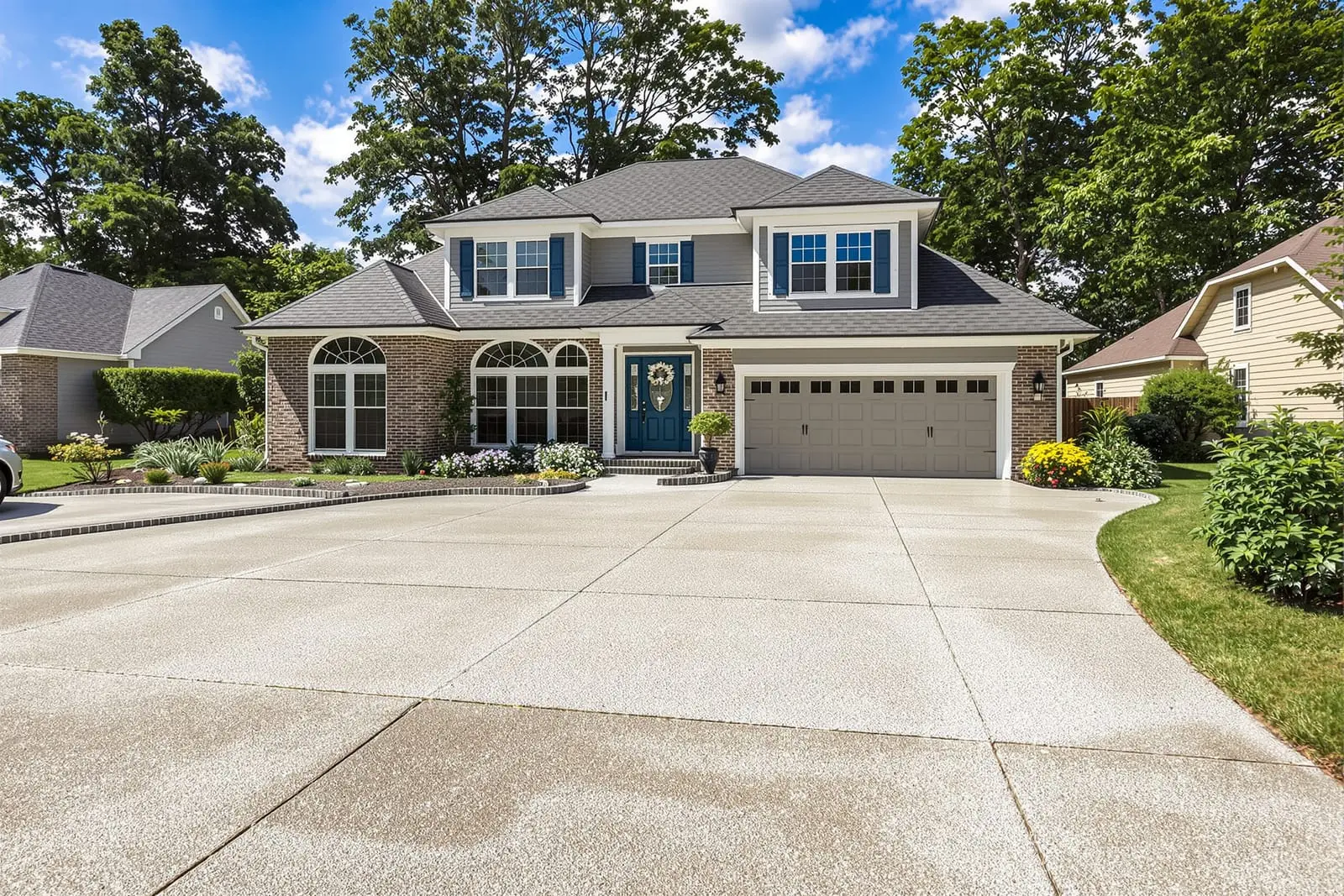
Clear the way for new work with concrete demolition in Grand Rapids, MI. We break up and remove old driveways, patios, sidewalks, and slabs safely and efficiently. Our crew handles hauling and proper disposal so your site is left clean and ready for new construction. Avoid rental hassles and heavy labor by letting professionals tackle the tear out.
Primetime Concrete Grand Rapids provides professional concrete demolition throughout Grand Rapids, MI and the surrounding area. Our licensed, insured crew delivers safe, clean, on-time work with a free estimate before anything begins. Call (231) 888-1647 or request your free quote.
Concrete Demolition in Grand Rapids, Done the Right Way
If you have broken, heaved, or unsafe concrete around your Grand Rapids home or business, Primetime Concrete Grand Rapids can remove it cleanly and safely so you can start fresh. We handle concrete demolition for driveways, patios, garage floors, pole barn slabs, walkways, steps, and small commercial pads all over Kent County.
Local conditions matter. Around Grand Rapids, we deal with frost heave, old city alley slabs, thicker farm drives, and older homes with mystery concrete that can hide rebar, wire mesh, or even buried debris. Before we start swinging a breaker, we walk the site with you, look for signs of thickness changes and reinforcement, and note nearby utilities, foundations, fences, landscaping, and any city sidewalks or curbs that must be protected.
Concrete demolition is noisy and disruptive by nature, but it does not have to be chaotic. We plan access for equipment, figure out where to stage broken concrete before loading it out, coordinate parking with you and your neighbors, and schedule work to avoid blocking you in. Our goal is to get the old slab out quickly, without surprise damage, and to leave the area ready for whatever comes next, whether that is new concrete, pavers, or grass.
How Our Concrete Demolition & Removal Process Works
When Primetime Concrete Grand Rapids handles your concrete demolition, we follow a clear step by step process so you know what is happening and why.
1) Site check and locating utilities. We start with measuring the area and checking thickness at visible edges or cracks. If we suspect anything unusual, such as an old basement entrance or a buried tank, we discuss it before we start. You are responsible for calling MISS DIG 811 for public utility locating, but we will remind you and help mark the work area so gas, electric, and communication lines are clearly identified.
2) Choosing the right tools. For most residential jobs in Grand Rapids, we use skid steers with hydraulic breakers, concrete saws to create clean separation cuts, and jackhammers for tight spots near foundations, steps, or porches. Thicker or heavily reinforced slabs might need heavier breaking attachments. We rarely use chemical or expansive agents on small projects since freezing temps and moisture here make them unreliable in many seasons.
3) Controlled breaking. We start at a relief point or edge and break the slab into manageable pieces, typically 2 to 3 feet across. Around foundations, garage walls, porch supports, and city sidewalks, we saw cut first, then break away from the structure to avoid transferring vibration and cracking something you wanted to keep.
4) Loading and hauling. Broken concrete is removed with skid steers, loaders, or by hand if access is tight. We separate out rebar, wire mesh, and large metal items so they can go to scrap instead of the concrete recycler. Whenever possible, your concrete is hauled to a local recycling yard in the Grand Rapids area to be crushed and reused as aggregate.
5) Final grading and cleanup. Unless you plan additional excavation, we rough grade the exposed subgrade so water will not pond, rake loose debris, and magnet sweep for nails or metal if forms or old structures were embedded in the slab. If you are pouring new concrete, we can discuss base preparation at this stage so there is no miscommunication about what is included.
What Affects Cost for Concrete Demolition in Grand Rapids
Concrete demolition pricing is not one size fits all. Primetime Concrete Grand Rapids is always upfront about what drives the cost so you can compare bids fairly.
The biggest factor is thickness and reinforcement. A typical 4 inch driveway or patio is faster to remove than a 6 to 8 inch shop floor or a commercial loading pad. Once rebar or heavy wire mesh enters the picture, demolition slows down and disposal becomes more involved because concrete pieces must be cut free of tangled steel.
Access is another major driver. If we can back a truck and skid steer right up to your driveway or slab, your price will be lower than if we have to wheel broken concrete through a narrow side yard, up or down steep grades, or around obstacles like air conditioners and decks. In older Grand Rapids neighborhoods like Eastown and Heritage Hill, tight alleys and limited parking can also increase time on site.
Disposal and recycling costs matter too. Landfill dumping is more expensive than concrete recycling and has weight limits. Whenever we can bring your broken concrete to a local recycling facility, we do, but long haul distances or contaminated material (like concrete full of dirt, asphalt, or trash) can raise fees.
Finally, site conditions and add ons affect the bottom line. Demolishing and removing concrete steps, retaining curbs, or thickened edges costs more than a flat slab. If tree roots have grown through the concrete, we may need to cut or grind them. If you want us to also import and compact gravel base for a future slab, or perform fine grading for landscaping, we will break those out as separate line items so you can decide what you want us to handle now.
Common Problems We Solve During Concrete Removal
Every concrete demolition job comes with surprises, especially around older properties in Grand Rapids. Primetime Concrete Grand Rapids has learned to anticipate and manage the most common issues so you are not left with half finished work.
Hidden thickness changes are a frequent one. A driveway might be 4 inches at the edge but jumps to 10 or 12 inches at the garage entry because a previous owner thickened it as a makeshift apron. We watch for hairline cracks, patched areas, and elevation changes that often signal this. If we hit unexpected thickness, we adjust equipment and, if necessary, discuss any schedule or cost implications with you on the spot.
Unknown utilities and drain lines also show up, especially old clay or cast iron pipes for downspouts, floor drains, or abandoned sewers. We break cautiously around suspected lines, and when we encounter one, we stop demolition in that area, show you what we found, and coordinate next steps. In many cases, we can work around or support a pipe so it keeps functioning until you are ready to replace it.
Another common issue is preserving what you want to keep. You might want the garage slab gone but the block walls untouched, or the front walk removed but the city sidewalk and curb left perfect. We use saw cuts to create clean separation lines and may switch to smaller tools near edges to avoid chipping. Protective plywood or rubber mats can be set against foundations or decorative elements to shield them from flying chips.
Finally, groundwater and drainage come into play after the concrete is gone. Sometimes the slab was hiding a low spot that collects water. Before we leave, we look at how the exposed soil slopes away from your house or building. If we see a problem that could cause water to run toward your foundation, we talk through simple grading corrections or base work so you do not inherit a new drainage headache.
Preparing for Your Concrete Demolition Project
A little preparation makes your concrete demolition project smoother and faster. When you schedule with Primetime Concrete Grand Rapids, we will send a short checklist, but here are the key points local homeowners and businesses should know.
First, clear access paths. Move vehicles, trailers, and portable basketball hoops. Put away kids toys and yard furniture. If we are removing a driveway in the morning, plan alternate parking on the street or with a neighbor the night before, especially in busy Grand Rapids neighborhoods where street parking can fill up.
Second, protect what matters. Identify sprinkler heads, invisible dog fences, landscape lighting, and any shallow drains or cleanouts. We can flag or mark them and plan routes for equipment to avoid damage, but we need to know they are there. If you have prized shrubs or perennials near the work area, you might temporarily transplant them or we can help buffer them with plywood.
Third, think about what comes after demolition. If you plan to pour new concrete immediately, we can schedule removal and base prep back to back so the subgrade does not sit exposed and get saturated in a rainstorm. If your replacement will happen later, we can leave the site in a condition that is safe to walk on and not a mud pit, which is especially important in spring and fall when Grand Rapids weather can turn quickly.
Last, be aware of noise and timing. Concrete demolition is loud. We typically work within normal daytime hours, which fits city rules and is considerate of neighbors. If you live in a condo or tight urban setting, you might want to notify neighbors or your association that we will be on site so there are no surprises. Our crew will keep communication clear, check in during the job, and walk the site with you when we are finished so you know exactly what was done and what the next steps are for your project.
“
Professional concrete demolition & removal, done right the first time, quality materials, honest pricing, and results that last.
Primetime Concrete Grand Rapids
Concrete Demolition & Removal Across Our Service Area